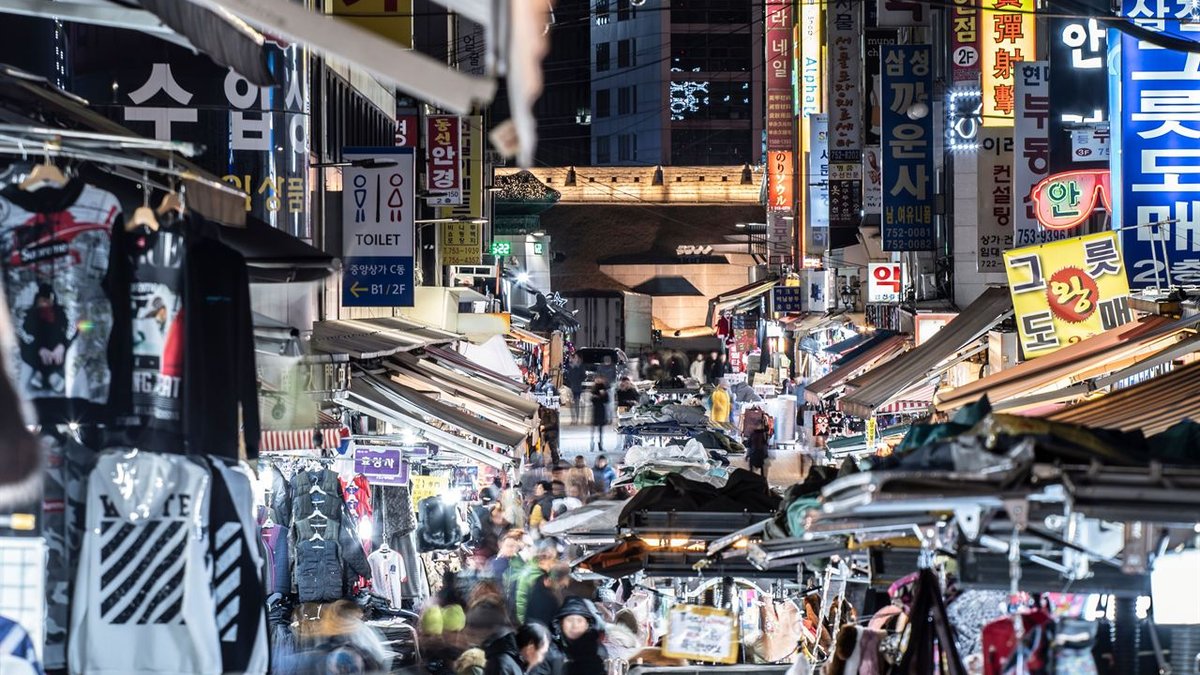
In Korea, a foreign Visa or Mastercard pays for almost everything. Seoul's city government says credit cards are accepted in most stores, restaurants, hotels and tourist sites, "regardless of the amount, small or large" (as of November 2026). You still need some cash for traditional markets and street stalls, which may take cash only (VisitKorea), and for a few transit cards. Change money at an airport bank office, a downtown bank or a certified exchange office with your passport, or withdraw won from an ATM marked "Global". Below: what works where, how to get cash, which transit cards take foreign money, and the mistakes that cost visitors money.
How to pay in Korea at a glance
| Situation | Foreign card OK? | Best way to pay |
|---|---|---|
| Shops, cafes, restaurants, hotels | Yes, in most places (Seoul city) | Card (Visa, Mastercard, AmEx; VisitKorea also lists JCB and UnionPay) |
| Traditional markets, street food stalls | Often not (VisitKorea) | Cash, small bills |
| Subway and bus | Not by tapping; use a transit card or a single-journey ticket | T-money or WOWPASS loaded with cash; single-journey tickets can be bought by foreign card at new machines |
| Climate Card short-term pass (Seoul unlimited transit) | Yes, at new machines in Line 1-8 stations (about 3.7% fee) | Foreign card or cash at a station machine |
| Taxi | Usually yes | Card or T-money (see our taxi guide) |
| Alipay, WeChat Pay, UnionPay QR | At ZeroPay member stores (VisitKorea) | Look for the ZeroPay sign |
Cards: what works and where
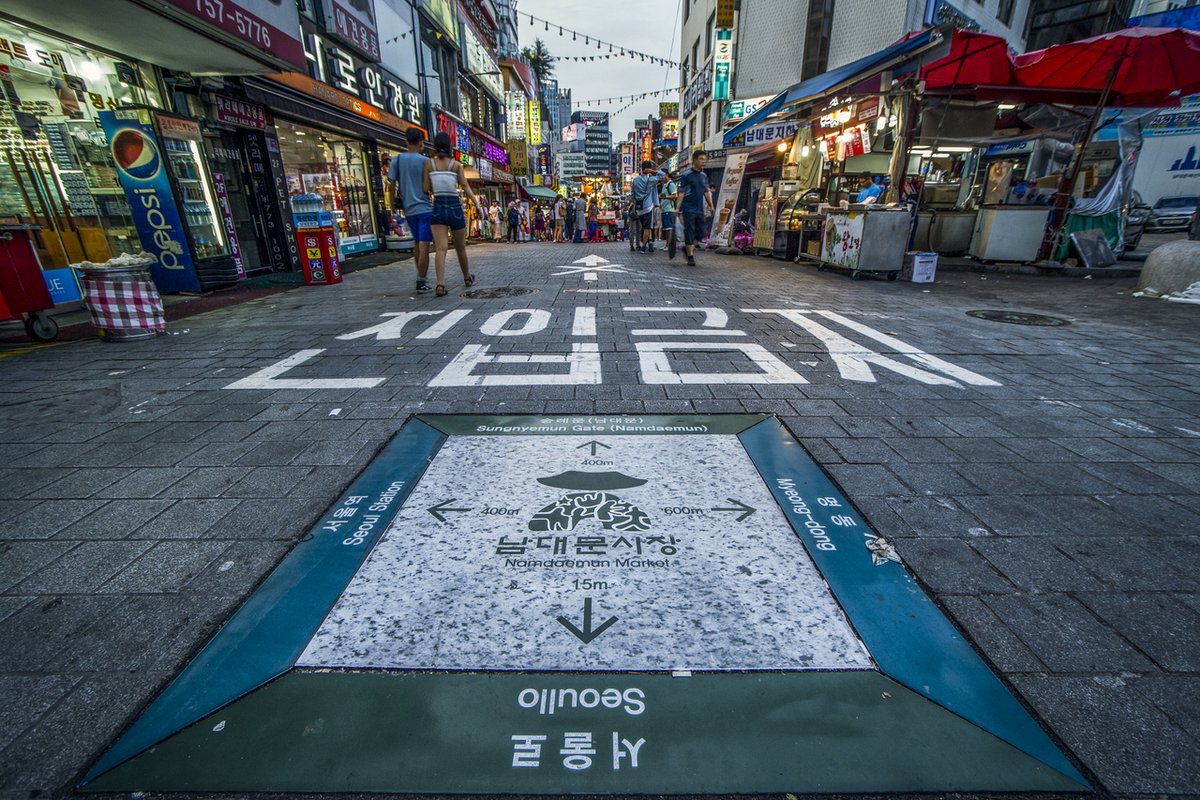
Accepted networks: VisitKorea says Visa, Mastercard, JCB, American Express and UnionPay can be used at most Korean stores, with no purchase limit. Seoul city lists Visa, Mastercard and American Express.
Small amounts are fine. Unlike in some countries, you can pay a 2,000-won coffee or a convenience-store snack by card (Seoul city: "regardless of the amount").
Bring two cards from different networks if you can, in case one is declined. Tell your bank you're traveling, and check its foreign transaction fee before you go; fees depend on your card issuer, not on Korea.
Pay in won. If a card machine or ATM offers to charge you in your home currency instead of won, choosing won usually avoids an extra conversion set by the machine's operator. Your own bank then converts at its rate. Ask your card issuer if you're unsure.
Mobile wallets: VisitKorea says Alipay, WeChat Pay and UnionPay are accepted at ZeroPay member stores, and a ZeroPay tax refund logo means you can get the VAT refund right at the counter. Rules for foreigners in Korean apps like Kakao Pay and Naver Pay change often and we couldn't confirm them on official pages, so don't rely on them as your only way to pay.
When you need cash
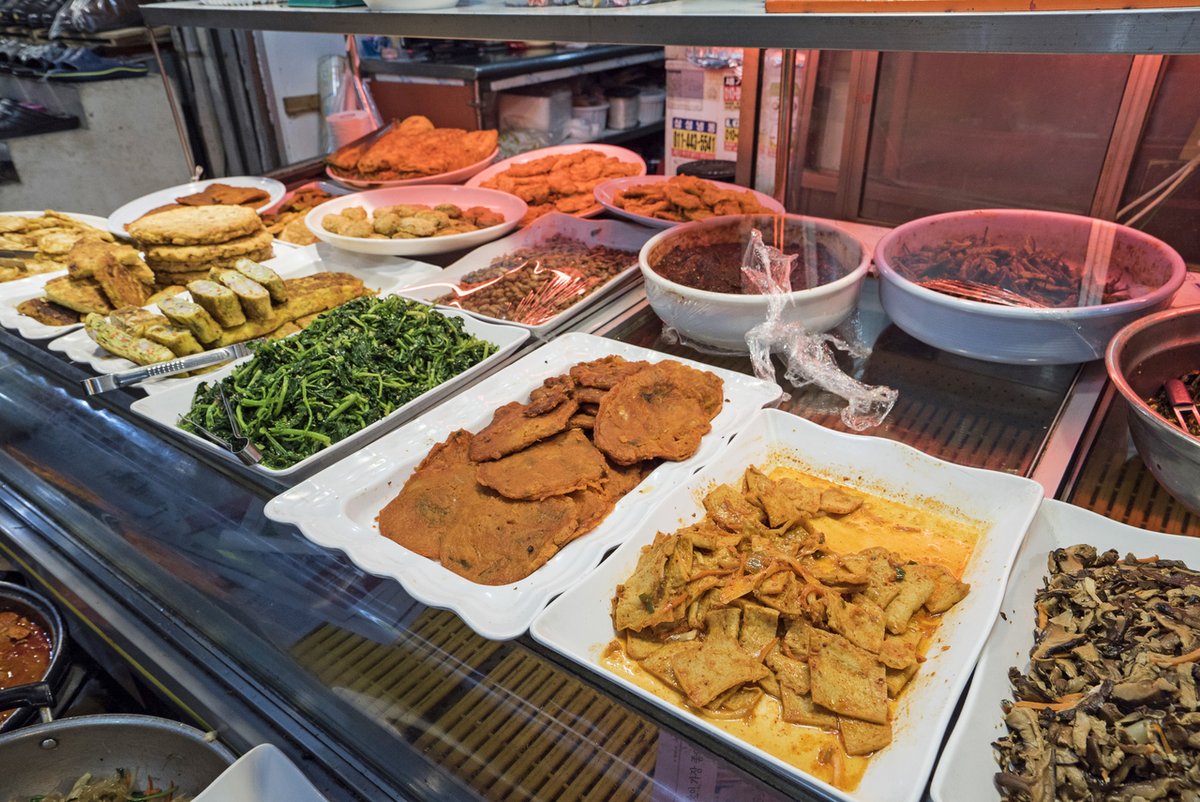
VisitKorea warns that traditional markets and street shops may only accept cash. Carry cash for: - Market food and street snacks: tteokbokki, hotteok, bindaetteok and similar (see our Gwangjang Market guide). - Small stalls and flea markets. - Topping up a T-money card at station machines, which VisitKorea lists as a cash top-up.
How much? There is no official number. A practical approach for a few days in Seoul: carry a small amount of cash for markets and transit top-ups, and use a card for everything else. Keep 1,000 and 10,000-won bills handy; stalls may not have change for a 50,000-won bill.
Korean money: bills come in 1,000, 5,000, 10,000 and 50,000 won, coins in 10, 50, 100 and 500 won (Seoul city).
Tipping: not expected. Visit Seoul notes that many major hotels and upscale restaurants already add a 10% service charge.
Getting won: exchange offices and ATMs
Exchange at the airport: VisitKorea's FAQ says that for most tourists the easiest option is an exchange service center at the airport. Seoul city adds that some airport bank exchange offices are open 24/7. See our Incheon Airport tips for what to do on arrival.
Exchange in the city: banks (usually 09:00-16:00, per Visit Seoul) and private exchange offices, most of which open from about 6 am to 9 pm (Seoul city; hours vary by branch). Visit Seoul says to use booths with a "Certified" sign and avoid uncertified ones.
Rules: bring your passport (Seoul city). You can exchange up to 10,000 US dollars at a time; more than that needs a customs declaration.
ATMs: look for machines marked "Global" or showing your card's network logo; most ATMs have English, Chinese and Japanese menus (Visit Seoul). ATMs usually work until around 23:00, and many are open 24 hours. Convenience-store ATMs often charge higher fees.
Transit: which cards take foreign money
| Card | Price | Pay for it with | Good to know |
|---|---|---|---|
| T-money | 3,000-5,000 won | Cash (top up at station machines) | Sold at convenience stores and station info centers |
| WOWPASS | 5,000 won | Won or foreign cash (USD, JPY, CNY and more) at kiosks | Passport needed; leftover balance back as won cash at a kiosk |
| Climate Card short-term pass (Seoul unlimited) | Card 3,000 won; 1-day pass 5,000 won | Cash, or a foreign Visa/Mastercard at the new machines in Line 1-8 stations (since 17 March 2026, about 3.7% fee) | Seoul only from 1 October 2026 |
Sources: VisitKorea transportation cards page (updated August 2026) and Seoul city's 16 March 2026 notice on foreign cards at ticket machines. Full details, top-up steps and refunds are in our T-money guide.
A worked example: 4 days in Seoul
A simple plan that works for most first-time visitors: 1. At the airport: exchange a small amount or withdraw from a Global ATM, and buy a T-money card at a convenience store. 2. Top up the T-money card with cash at a station machine for subways and buses. 3. Pay by card in shops, cafes, restaurants and your hotel. 4. Use cash at markets and street stalls. 5. Before you leave: spend leftover coins on a snack or top up, and keep any receipts you need for a tax refund.
Common mistakes
- Using an uncertified exchange booth. Visit Seoul says to use booths with a "Certified" sign.
- Forgetting your passport when you go to exchange money; you need it (Seoul city).
- Paying a foreign-card fee you can avoid. Foreign cards work at the new subway machines for single-journey tickets and Climate Card passes, but Seoul city says a service fee of about 3.7% is added. Paying in cash avoids it.
- Carrying only 50,000-won bills to a market. Small stalls may not have change.
- Withdrawing at a convenience-store ATM every day. Fees are often higher; withdraw less often or use a bank's Global ATM.
- Choosing your home currency on a card machine. Pick won.
FAQ
Can I use my foreign credit card in Korea?
Yes, in most stores, restaurants, hotels and tourist sites, for any amount (Seoul city). Visa, Mastercard and American Express are widely accepted; VisitKorea also lists JCB and UnionPay.
Do I need cash in Korea?
A little. Traditional markets and street shops may take cash only (VisitKorea), and some transit cards need cash to buy or top up.
Where is the best place to exchange money in Seoul?
At the airport for convenience (VisitKorea), or at a bank or certified exchange office in the city. Bring your passport.
Do ATMs in Korea accept foreign cards?
Machines marked "Global" or showing your card's logo do (Visit Seoul). Convenience-store ATMs often charge higher fees.
Should I tip in Korea?
No, tipping is not expected (Visit Seoul). Some upscale hotels and restaurants add a 10% service charge.
Final word
Pay by card for most things, keep a small amount of cash in small bills for markets and street food, and get won from an airport exchange office, a bank, a certified exchange office or a Global ATM. For transit, load a T-money card or WOWPASS with cash; a Climate Card short-term pass can now be bought with a foreign card at the new machines in Line 1-8 stations (about 3.7% fee). Then check our where to stay in Seoul guide and plan your days.