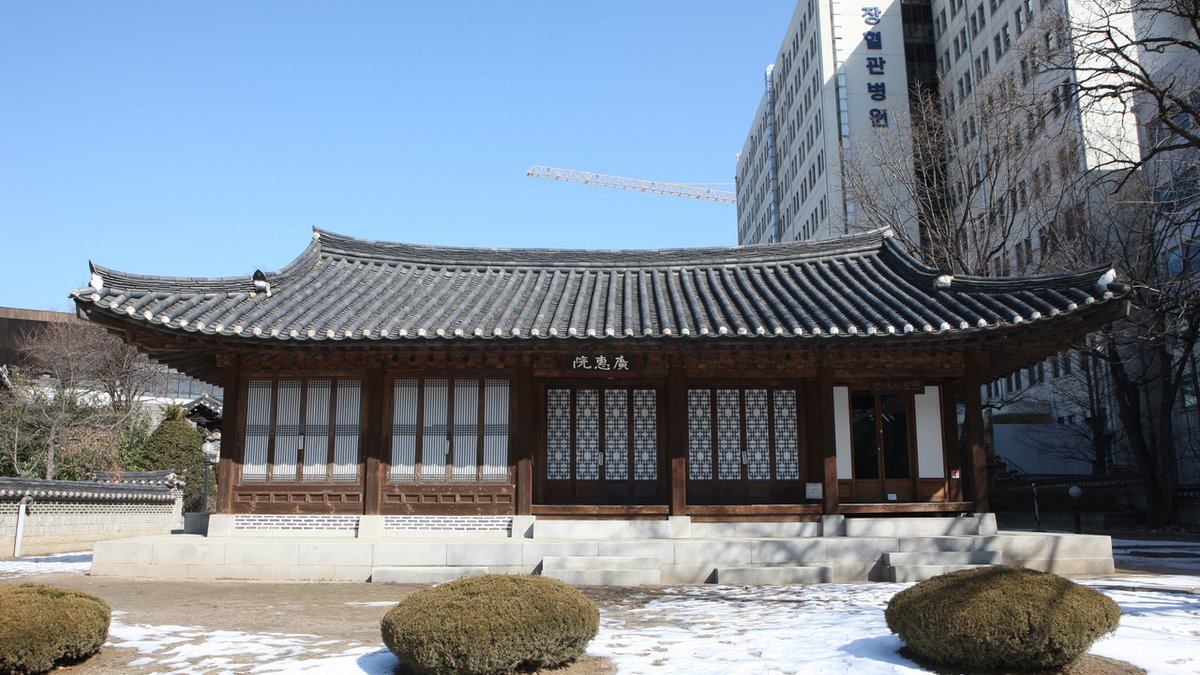
If you get seriously sick or hurt in Korea, call 119 for an ambulance (or 112 for the police). If you don't speak Korean, say "English please" or "Interpreter please" when the call connects, and the operator will bring in a professional interpreter (VisitKorea, October 2025). Seoul's city government says the 119 ambulance is free and runs 24 hours. For problems that aren't emergencies, Seoul's big university hospitals run international healthcare centers with interpreters on weekdays, and the 1330 travel hotline can help in English, Japanese and Chinese around the clock. Below: who to call for what, a list of hospital centers with phone numbers, what to do at night or on a holiday, and the mistakes to avoid.
Who to call: the numbers to save now
| Number | What it's for | Language help |
|---|---|---|
| 119 | Ambulance, fire, rescue, medical emergencies | Interpreters available (ask "English please") |
| 112 | Police: crime, theft, assault, lost child | Interpreters available (ask "Interpreter please") |
| 1330 | Korea Travel Hotline: travel questions and help | Korean, English, Japanese, Chinese, Russian, Vietnamese, Thai, Malay |
| 1339 | Infectious disease emergencies | Listed by VisitKorea |
| 120 | Seoul Dasan call center: city information, 24 hours | Ask for English |
| 1345 | Immigration and visa questions | Listed by Seoul city |
Sources: VisitKorea emergency page (updated 11 September 2026), Seoul city foreign residents portal, Seoul city notice (9 November 2026). From a foreign phone, add the area code for 1330: +82-2-1330. More on the travel hotline in our 1330 guide.
In an emergency: step by step
- Call 119 (medical or fire) or 112 (police). Both work from any phone.
- Ask for an interpreter. Say "English please" or "Interpreter please" and wait. VisitKorea says the operator connects a professional interpreter.
- Say where you are. Name the nearest big building, subway station exit number or hotel, or read out the address from your map app. VisitKorea suggests using landmarks or your phone's GPS.
- Say what happened: who is hurt, how many people, and whether they are awake and breathing.
- Keep your passport and phone with you, and tell your hotel or a travel companion where you're going.
Can't explain clearly? Call 1330 and explain the situation. The hotline can help you work out what to do next.
Useful apps (official): VisitKorea lists the Baro emergency reporting app from Korea's Ministry of the Interior and Safety, which lets you report by text or photo in English, Chinese, Japanese, Vietnamese and Filipino, and the Emergency Ready App, which gives safety instructions and connects you to 119.
English-speaking hospital centers in Seoul
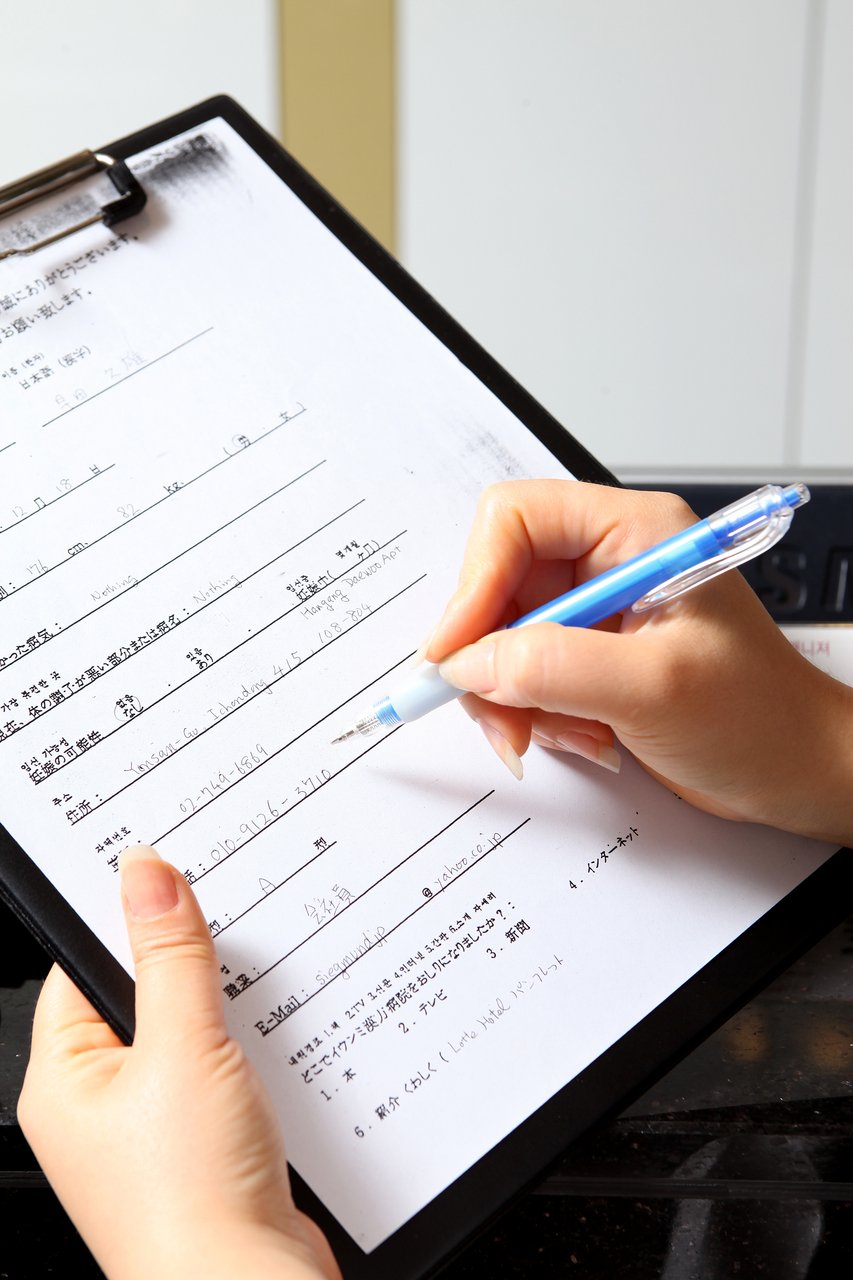
For a fever, an injury that isn't life-threatening, or a problem with your medicine, the easiest option is a hospital international healthcare center. VisitKorea says these centers provide interpreters "for the whole process, from reservations to follow-up appointments". They are closed on weekends and public holidays.
| Hospital (Seoul) | International center phone | Hours (Mon-Fri) |
|---|---|---|
| Asan Medical Center | +82-2-3010-5001 (English) | 08:30-17:30 |
| Severance Hospital (Sinchon) | +82-2-2228-5800 | 08:30-17:30 |
| Samsung Medical Center | +82-2-3410-0200 | 08:00-17:00 |
| Seoul National University Hospital | +82-2-2072-0505 | 09:00-17:30 |
| Seoul St. Mary's Hospital | +82-2-2258-5745 or 5746 | 08:30-17:00 |
| Gangnam Severance Hospital | +82-2-2019-3600 | 08:30-17:30 |
| Korea University Anam Hospital | +82-2-920-5677 (English) | 08:30-17:30 |
| Kyung Hee University Medical Center | +82-2-958-9644 | 08:30-12:00, 13:30-16:30 |
Source: VisitKorea emergency page (updated 11 September 2026). Hours and numbers can change, so call before you go. Several centers also have lines for Chinese, Japanese, Russian, Arabic or Mongolian; VisitKorea lists them.
Tip: Seoul city's foreign residents portal also lists a Medical Referral Service at the Seoul Global Center, with English-speaking staff who recommend medical facilities (email: [email protected]).
At night, on weekends and on holidays

International centers keep office hours, so at night or on a holiday: - Emergency: call 119. - Not an emergency, but you need a doctor or pharmacy: call 1330 or Seoul's 120 call center (24 hours, per Seoul city) and ask which clinic or pharmacy is open near you. - E-Gen (e-gen.or.kr): the government's emergency medical information site shows hospitals and pharmacies that are open. It's in Korean, so ask your hotel front desk to help. Seoul city tells residents to check by phone or on E-Gen before visiting, because opening hours change on holidays. - Korean holidays (Seollal and Chuseok) are public holidays, and many clinics close. If you travel then, bring enough of your regular medicine.
Convenience stores: since 2012, registered 24-hour stores in Korea may sell a short list of household medicines, such as fever and pain relievers, cold medicine, digestive medicine and pain patches, in small packs (Ministry of Health and Welfare). For anything else, go to a pharmacy (약국, yakguk).
Before you fly: insurance, medicine and documents
- Get travel insurance that covers medical care and check how claims work. Save the insurer's 24-hour phone number in your phone.
- Bring your regular medicine in its original packaging, with a copy of the prescription.
- Write down allergies, blood type and important conditions in English (and in Korean if you can) and keep it with your passport.
- Keep every receipt. Ask the hospital for itemized receipts and a medical certificate for your insurer before you leave.
- Save the numbers in this guide, and install the Baro and Emergency Ready apps while you have Wi-Fi.
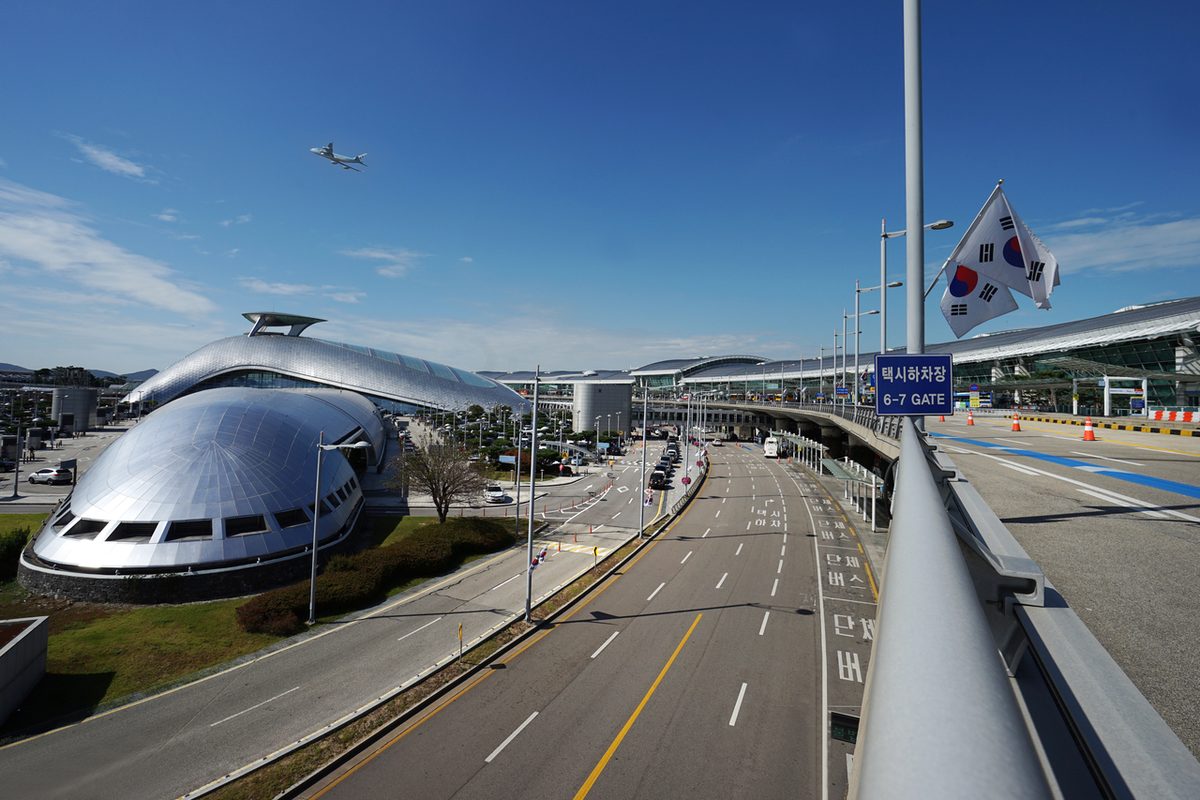
Landing at Incheon? Our Incheon Airport tips cover SIM cards and data, which you'll need for maps and calls.
Common mistakes
- Calling 1330 for a real emergency. 1330 is a travel helpline. For danger to life, call 119 or 112 first.
- Hanging up when you hear Korean. Stay on the line and say "English please" or "Interpreter please".
- Going to a hospital center on a Saturday. International centers are closed on weekends and public holidays. Use 119 for emergencies, and 1330 or 120 to find an open clinic.
- Not knowing your location. Learn your hotel's address and nearest subway exit, or keep it in your map app. Our Naver Map vs Google Maps guide explains which map works best in Korea.
- Taking a taxi when you need an ambulance. For serious injuries, call 119. For smaller problems, a taxi to a clinic is fine (see our taxi guide).
FAQ
What is the emergency number in Korea?
119 for ambulance and fire, 112 for police. Both are free from any phone. Ask "English please" for an interpreter.
Is the ambulance free in Korea?
Seoul city's foreign residents portal says the 119 ambulance service is free. Hospital treatment is paid separately.
Are there English-speaking doctors in Seoul?
Yes. Large hospitals such as Asan Medical Center, Severance, Samsung Medical Center and Seoul National University Hospital run international healthcare centers with interpreters on weekdays. Call ahead using the numbers above.
Where can I find a pharmacy at night in Seoul?
Call 1330 or 120 and ask for the nearest open pharmacy, or ask your hotel to check E-Gen. Some 24-hour convenience stores sell basic medicines such as pain relievers.
What does 1339 do?
VisitKorea lists 1339 for infectious disease emergencies (for example, if you develop symptoms of an infectious disease). For other medical emergencies, call 119.
Final word
Save three numbers before you land: 119 for an ambulance (free, per Seoul city), 112 for the police, and 1330 for travel help in English. In an emergency, ask for an interpreter and say where you are. For weekday problems that aren't emergencies, call an international healthcare center at one of Seoul's big hospitals. At night or on a holiday, use 1330, 120 or E-Gen to find what's open. Then enjoy your trip, and check our Seoul weather guide so you pack for the season.