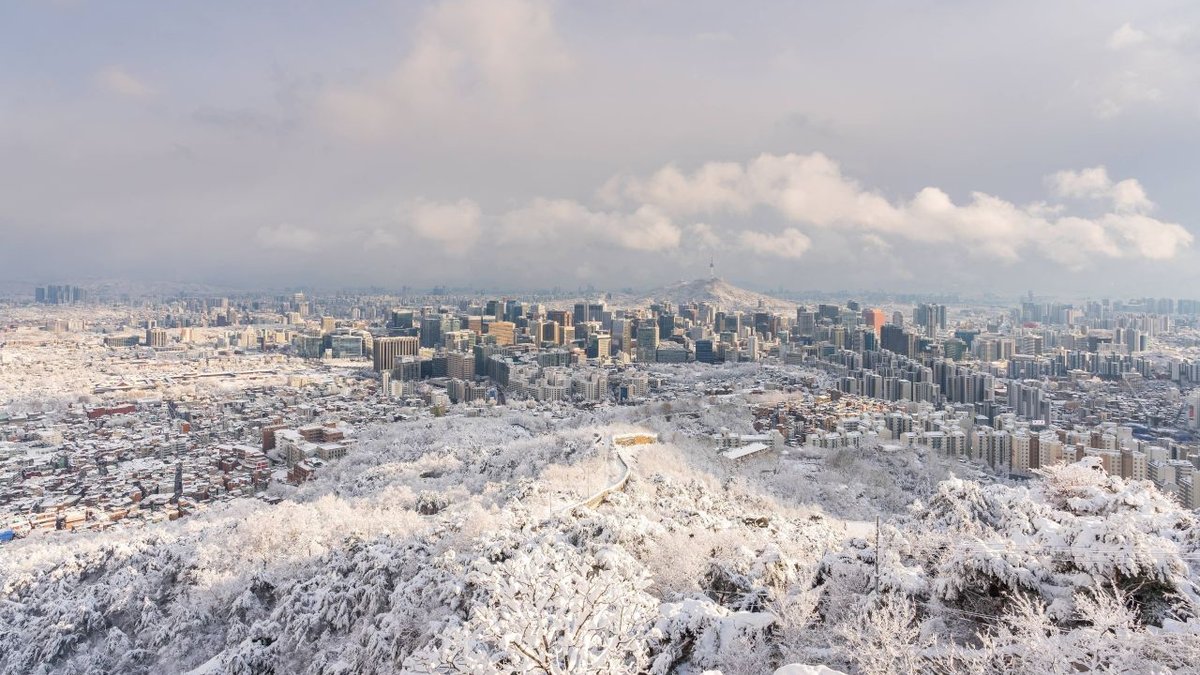
Seoul has four very different seasons. Using the official 30-year averages from the Korea Meteorological Administration (KMA) for the Seoul station (1991-2020, the latest set): January is the coldest month, with an average low of -5.5°C; August is the hottest, with an average high of 30.0°C; and July is the wettest, with about 414 mm of rain over about 16 rain days. For comfortable sightseeing, aim for late April to May or October. Below: a month-by-month table, what each season really feels like, and a packing list for each.
These are long-term averages, not a forecast. A single year can be warmer, colder or wetter, so check the forecast a few days before you fly.
Seoul weather by month at a glance
| Month | Avg high | Avg low | Rain (mm) | Rain days | Snow days | What to wear |
|---|---|---|---|---|---|---|
| January | 2.1°C | -5.5°C | 16.8 | 6.1 | 7.1 | Padded winter coat, hat, gloves |
| February | 5.1°C | -3.2°C | 28.2 | 5.8 | 5.1 | Winter coat, warm layers |
| March | 11.0°C | 1.9°C | 36.9 | 7.0 | 2.8 | Warm jacket, sweater |
| April | 17.9°C | 8.0°C | 72.9 | 8.4 | 0.2 | Light jacket, layers |
| May | 23.6°C | 13.5°C | 103.6 | 8.6 | 0 | T-shirt plus light layer |
| June | 27.6°C | 18.7°C | 129.5 | 9.9 | 0 | Summer clothes, umbrella |
| July | 29.0°C | 22.3°C | 414.4 | 16.3 | 0 | Light, quick-dry clothes, umbrella |
| August | 30.0°C | 22.9°C | 348.2 | 14.7 | 0 | Light, quick-dry clothes, umbrella |
| September | 26.2°C | 17.7°C | 141.5 | 9.1 | 0 | Summer clothes, light layer for evenings |
| October | 20.2°C | 10.6°C | 52.2 | 6.1 | 0 | Light jacket, long sleeves |
| November | 11.9°C | 3.5°C | 51.1 | 8.8 | 2.3 | Warm jacket, sweater |
| December | 4.2°C | -3.4°C | 22.6 | 7.8 | 6.4 | Winter coat, hat, gloves |
Source: KMA climate normals 1991-2020, Seoul station (108). "Rain days" are days with at least 0.1 mm of rain or snow, so many of them are short showers, not all-day rain. "Snow days" are days when snow was observed, not days with snow lying on the ground.
Spring (March to May): blossoms, wind and yellow dust
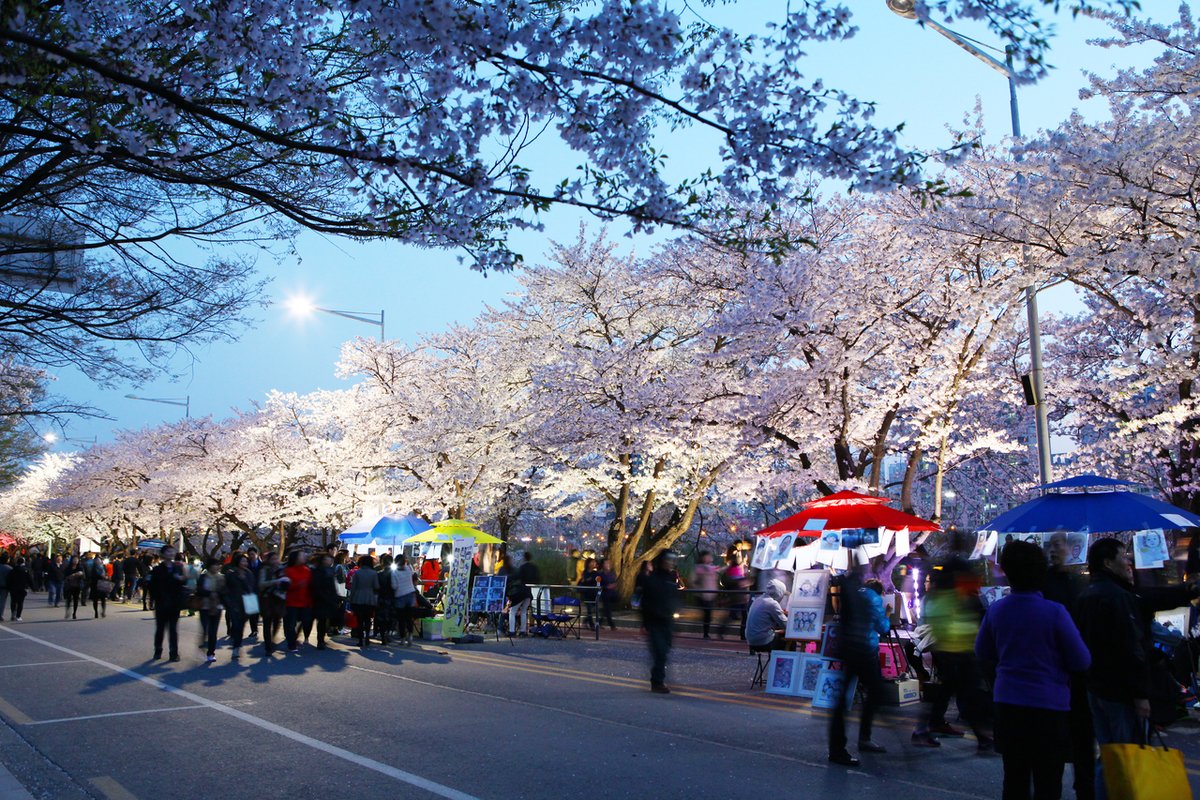
What the numbers say: March is still cool (high 11.0°C, low 1.9°C), April warms up quickly (high 17.9°C), and May is warm (high 23.6°C) with long sunny days: May averages 223 hours of sunshine, the most of any month.
Yellow dust: spring is the season for hwangsa, dust blown in from the deserts of the Asian mainland. KMA counts on average 2.2 yellow dust days in March, 3.1 in April and 1.5 in May in Seoul. On those days, the sky can look hazy and people wear masks. Check the air quality in a weather app or Naver Weather, and keep a mask in your bag.
What to pack: layers. Mornings and evenings in March and April can be close to freezing, while afternoons are mild. A light down jacket or warm coat for March, a light jacket for April and May, comfortable shoes for walking, and a few disposable masks.
Good for: palaces and parks (see our Gyeongbokgung guide), walking routes like our Seoul golden route, and picnics by the Han River.
Summer (June to August): heat, humidity and heavy rain
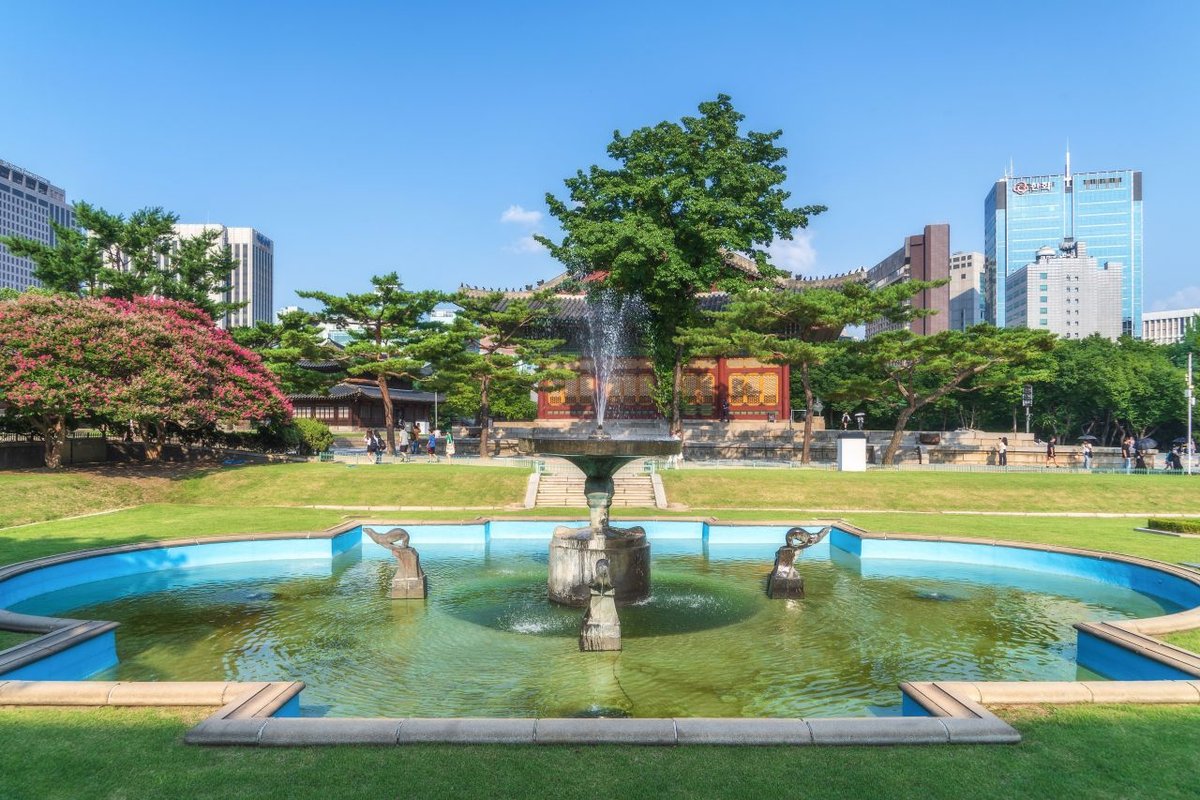
What the numbers say: summer is hot, humid and wet. August has the highest average high (30.0°C) and July the highest average humidity (76%). The big story is rain: July averages 414 mm and August 348 mm. Those two months alone bring about 763 mm, more than half of the roughly 1,418 mm that falls in a typical year (sum of KMA's monthly normals). July has about 16 rain days, so expect rain on about half the days.
Hot nights: KMA counts "tropical nights" (nights when the temperature stays at 25°C or above). Seoul averages about 5 in July and 8 in August. Choose a room with good air conditioning.
What to pack: light, breathable clothes that dry fast, a compact umbrella, sandals or shoes that can get wet, sunscreen, a hat, and a light layer for strongly air-conditioned subways, cafes and malls.
Tips for summer travel: - Plan indoor options for rainy days: museums, malls such as COEX, and food markets. - Do outdoor sightseeing early in the morning or in the evening. - Carry water. Convenience stores are everywhere (see our convenience store guide).
Autumn (September to November): the easiest season
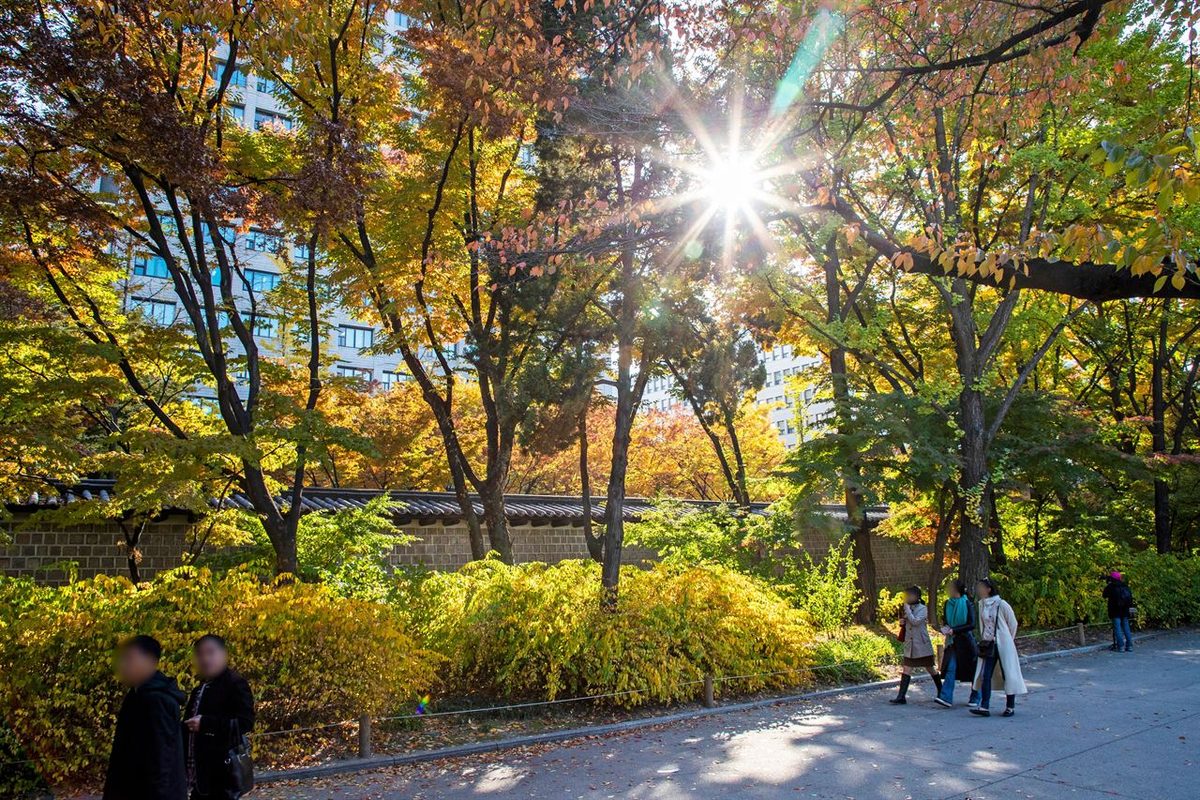
What the numbers say: September still feels like summer at first (high 26.2°C) but gets drier as it goes. October is the stand-out month: high 20.2°C, low 10.6°C, only 52 mm of rain over about 6 rain days, and plenty of sun (about 207 hours). November cools fast (high 11.9°C, low 3.5°C) and the first snow days appear (about 2.3 on average).
What to pack: for September, summer clothes plus a light layer. For October, long sleeves and a light jacket. For November, a warm jacket or light down, a sweater and a scarf, because evenings can be close to freezing by the end of the month.
Good for: autumn leaves at the palaces and on Namsan, Han River parks, and long walks. Not sure which area to base yourself in? See where to stay in Seoul.
Winter (December to February): cold and dry
What the numbers say: Seoul winters are cold. Average lows are below freezing in all three months: -3.4°C in December, -5.5°C in January and -3.2°C in February. Winter is also the driest season: January averages only 16.8 mm of precipitation. Snow falls on a fair number of days: KMA counts about 7 snow days in January, 6 in December and 5 in February. On windy days it feels colder than the thermometer says.
What to pack: a warm padded or down coat, a hat, gloves, a scarf, thermal underwear, warm socks, and shoes with good grip for icy sidewalks. Indoors (subways, shops, restaurants) is usually well heated, so dress in layers you can take off. The air is dry, so bring lip balm and moisturizer.
Good for: fewer crowds at the big sights, warm Korean food (see our Korean BBQ guide), indoor attractions, and many of the free things to do in Seoul.
Best time to visit Seoul
- Best overall: October (mild, dry, sunny) and May (warm, sunny, before the summer rain).
- Best for blossoms: April. Blooming dates change every year, so check the forecast close to your trip.
- For indoor sights and warm food: January and February, if you can handle the cold.
- Hardest month for outdoor plans: July, with the most rain (414 mm, about 16 rain days) and high humidity.
Whatever the season, buy a T-money card so you can hop on the subway when the weather turns, and save the 1330 hotline for help in English.
Common mistakes
- Packing for "spring" in March. March lows average about 2°C. Bring a real jacket.
- Underestimating summer rain. A July day can go from sunny to a heavy downpour quickly. Keep an umbrella in your bag; convenience stores sell them too.
- Wearing one heavy layer in winter. You'll overheat on the subway and in shops. Layers work better.
- Reading the average as a promise. These are 30-year averages. Check the forecast in the week before your trip.
- Ignoring air quality in spring. Yellow dust days are most common in April. Have a mask ready.
FAQ
What is the coldest month in Seoul?
January. KMA's 1991-2020 normals give an average high of 2.1°C and an average low of -5.5°C for Seoul.
When is the rainy season in Seoul?
Most rain falls in summer. July averages 414 mm and August 348 mm, together more than half of the yearly total. June is wetter than spring but much drier than July.
Does it snow in Seoul?
Yes, from about November to March. On average Seoul has about 7 snow days in January and about 6 in December. A snow day only means snow was observed, so it may be a light flurry; check the forecast for real conditions.
What is the best month to visit Seoul?
October is a strong choice: average high 20.2°C, low 10.6°C, only about 6 rain days and plenty of sunshine. May is also good, with the most sunshine hours of the year.
How hot does Seoul get in summer?
August is the hottest month, with an average high of 30.0°C and an average low of 22.9°C. Heat waves can push temperatures well above the average, and humidity makes it feel hotter.
Final word
Seoul is easiest in October and May, wet and humid in July and August (about 763 mm of rain between them), and cold but dry from December to February (January lows average -5.5°C). Pack layers for spring and autumn, quick-dry clothes and an umbrella for summer, and a real winter coat, hat and gloves for winter. Then check the forecast a few days before you go. Landing soon? Read our Incheon Airport tips next.